The automotive industry is undergoing a seismic shift, and electric cars (EVs) are leading the charge. With the growing concern over climate change, advancements in technology, and changing consumer preferences, the future of electric vehicles is brighter than ever. But what exactly is next for electric cars, and how will they transform the way we drive? Let’s explore the exciting journey ahead for electric vehicles and the automotive industry as a whole.
The Rise of Electric Vehicles: A Global Shift
Electric vehicles have already begun to make a splash in the automotive market, but their true potential is still unfolding. With global emissions targets in mind and a push for sustainability, the future of transportation is leaning heavily toward EVs.
In recent years, EVs have moved from being niche products to mainstream choices for car buyers. With governments offering incentives, and automakers ramping up their EV production, the question arises: What’s next for electric vehicles?
The Technological Evolution of Electric Cars
When it comes to the future of electric vehicles, one of the most exciting aspects is the technology driving them. But what exactly are the technological advances that will shape the next generation of EVs?
Battery Technology: The Heart of Electric Cars
A major hurdle for electric vehicles has always been battery technology. While current EVs can travel between 150-350 miles on a single charge, advancements in battery tech will soon push that range even further.
Batteries are getting lighter, more efficient, and cheaper to produce. Researchers are focused on solid-state batteries, which promise to offer higher energy densities and quicker charging times. What does this mean? EVs will soon offer longer ranges and faster recharging, making them even more practical for everyday use.
Charging Infrastructure: Building the EV Highway
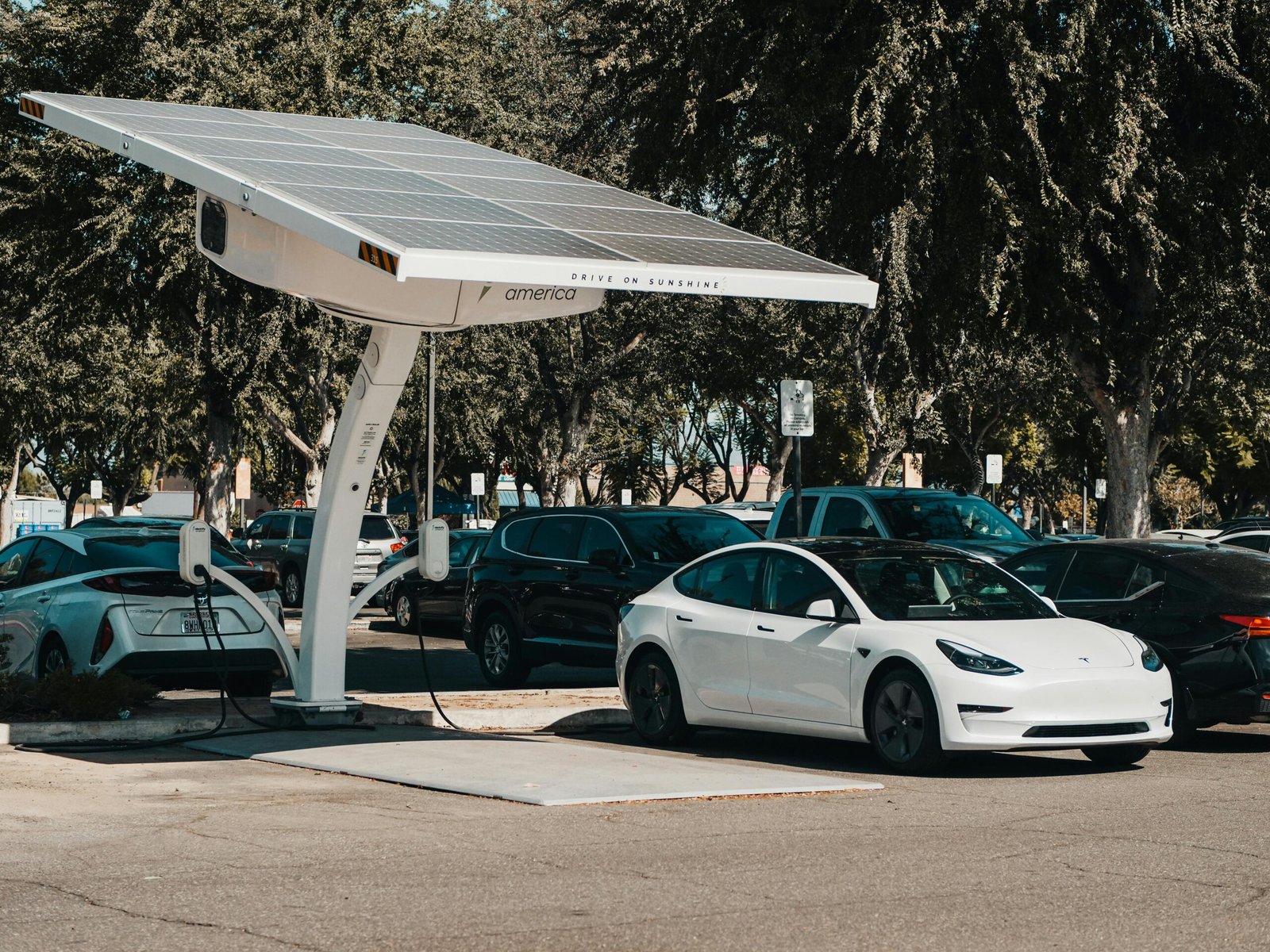
Range anxiety is still one of the main concerns for potential EV owners. However, charging infrastructure is growing rapidly. Fast-charging stations are becoming more widespread, and charging times are significantly improving.
Expect to see more fast chargers at public locations, making it easier to take long road trips without worrying about running out of power. Additionally, at-home charging systems will become more efficient and affordable, enabling users to easily charge their vehicles overnight.
Autonomous Driving and Electric Cars
One of the most exciting aspects of the future of automobiles is autonomous driving. As electric vehicles are inherently more suited for autonomous systems, many car manufacturers are pairing EV tech with self-driving features.
With advancements in AI and sensors, EVs of the future will not just be electrically powered but will also operate autonomously. The integration of electric powertrains with self-driving technology will make for smoother, safer, and more efficient commutes, possibly even reducing traffic accidents and optimizing energy consumption.
The Environmental Impact of Electric Cars
The world is increasingly turning to electric vehicles to combat climate change and reduce harmful emissions. But will EVs live up to their environmental promises? Let’s dive deeper into the environmental benefits of electric cars and how they can help us achieve a greener future.
Lower Carbon Footprint
Electric vehicles produce zero tailpipe emissions, which significantly reduces air pollution in urban areas. In addition to that, the energy used to charge EVs can increasingly come from renewable sources like wind and solar power. This combination ensures that electric cars contribute far less to global warming compared to their gasoline-powered counterparts.
Recycling and Sustainability of EV Batteries
While electric vehicles offer a more sustainable solution for the future, the environmental impact of EV batteries is a topic of concern. But here’s the good news: the recycling of lithium-ion batteries is advancing. As the market for electric vehicles grows, so does the need for responsible battery disposal and recycling.
Battery manufacturers are working on creating more recyclable materials, and some companies are even exploring the possibility of reusing EV batteries for stationary energy storage. This circular approach will help reduce the environmental impact of battery production and disposal.
Economic and Industry Shifts in the Electric Car Era
The rise of electric vehicles isn’t just a technological revolution — it’s an economic one too. As EVs become more common, industries and economies are being forced to adapt.
The Role of Government and Policy
Governments worldwide are recognizing the potential of electric vehicles in reducing emissions, and many have implemented policies to accelerate EV adoption. From generous tax credits to stricter emissions regulations, the public sector is playing a crucial role in shaping the future of the automobile industry.
For example, several countries have announced ambitious plans to phase out internal combustion engine (ICE) vehicles within the next decade. This will not only push car manufacturers to focus on electric vehicles but will also drive further investments in charging infrastructure.
The Impact on Traditional Automakers
Automakers like General Motors, Volkswagen, and Ford are all investing heavily in electric vehicles. In fact, many traditional manufacturers have already announced plans to transition to an all-electric lineup in the coming decades.
But this shift doesn’t come without challenges. Established companies must retool their factories, train workers in new technologies, and make significant R&D investments to stay competitive. The future of electric cars means the evolution — and sometimes the revolution — of traditional car manufacturers.
The Emergence of New Players in the EV Market
The future of electric vehicles isn’t just about traditional automakers. New players, like Tesla, Rivian, and Lucid Motors, are shaking up the industry with innovative designs and technology. These newcomers are often more nimble and able to quickly adapt to new trends in the electric vehicle space.
As the demand for electric vehicles grows, expect to see even more startups entering the market. This shift could ultimately lead to a more diverse, competitive, and innovative automotive landscape.
Consumer Trends: What Do Drivers Want?
What do consumers expect from electric vehicles? As electric cars become more mainstream, automakers will need to keep a pulse on what drivers truly desire.
Affordability and Accessibility
One of the primary barriers to EV adoption is cost. While prices have been steadily dropping, electric vehicles are still relatively expensive when compared to traditional gas-powered cars. However, as battery costs decrease and economies of scale kick in, expect the price of EVs to become more affordable for the average consumer.
In addition, leasing and financing options will become more accessible, allowing a wider range of people to access electric vehicles without breaking the bank.
Performance and Luxury
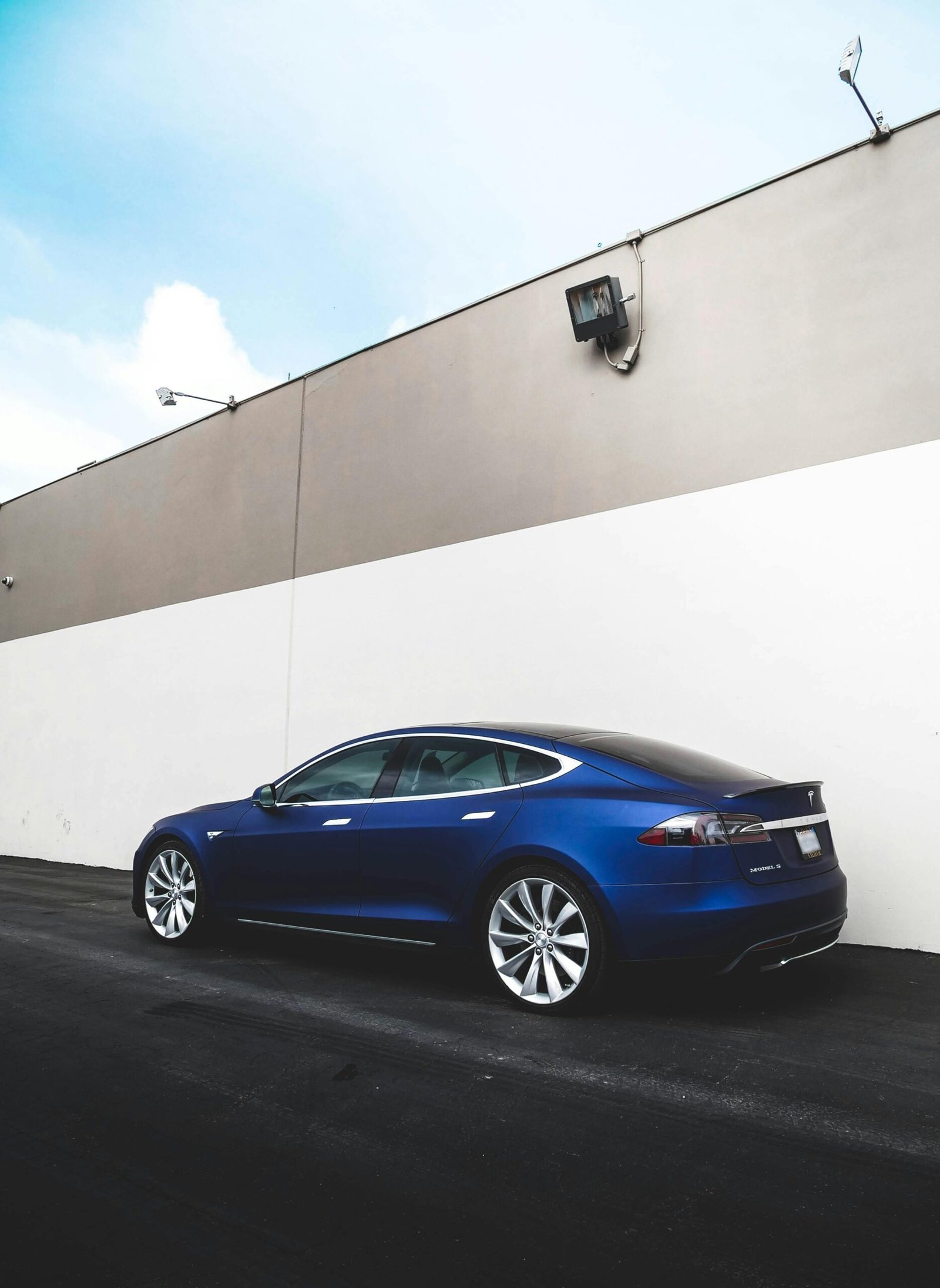
EVs are no longer just about being eco-friendly; they are about performance and luxury too. From the Tesla Model S to the Lucid Air, electric vehicles are proving that you don’t have to sacrifice style, speed, or luxury when driving green.
Expect future EVs to push the limits of performance with faster acceleration, better handling, and sleek designs. Consumers are increasingly demanding vehicles that combine both sustainability and excitement.
Range and Charging Speed
When it comes to the most pressing consumer concerns about electric vehicles, range and charging time top the list. Thankfully, as mentioned earlier, battery technology is improving. The future of electric cars includes increased range and faster charging times, ensuring EVs are just as convenient as traditional gas-powered cars.
The Future of Electric Cars: What’s Next?
So, what’s next for electric cars? In a word: transformation. The future of electric vehicles will be characterized by several key developments:
Smart, Connected Cars
The future of EVs is not just about getting from Point A to Point B. Expect electric vehicles to be more connected, smarter, and integrated with other technologies like 5G and AI. These cars will communicate with infrastructure, other vehicles, and even your smart home devices, creating a seamless driving experience.
Urban Mobility and Shared Electric Vehicles
As cities become more congested and the need for sustainable transportation grows, electric vehicles will play a central role in urban mobility. Shared EV platforms, such as ride-hailing services, will likely become more common, reducing the need for personal car ownership.
The Integration of Renewable Energy
Electric vehicles will be increasingly integrated with renewable energy sources, allowing owners to power their cars with solar, wind, or other clean energy. We might even see vehicles that can store and share power, turning them into mobile power stations.
Conclusion: A New Era for the Automobile Industry
The future of electric vehicles is incredibly exciting. With advancements in technology, greater environmental benefits, and changing consumer demands, electric cars are shaping the future of the automobile industry. We’re on the cusp of a revolution, and it’s clear that EVs will play a central role in creating a more sustainable and efficient future.
The road ahead might have a few bumps, but one thing’s for sure: electric cars are here to stay. So buckle up, because the ride into the future is about to get a whole lot greener!
FAQs
1. How long will it take for electric cars to replace gasoline cars?
While electric cars are growing rapidly in popularity, it’s unlikely that gasoline-powered cars will completely disappear anytime soon. However, as governments and automakers continue to push for EV adoption, it’s expected that electric vehicles could make up the majority of new car sales within the next 10-15 years.
2. Are electric cars really better for the environment?
Yes! Electric vehicles produce zero tailpipe emissions, which significantly reduces air pollution. Additionally, as more renewable energy sources are used to charge EVs, their overall carbon footprint continues to decrease.
3. What are the challenges of owning an electric vehicle?
Some of the challenges of owning an electric vehicle include range anxiety (the fear of running out of battery power) and the availability of charging infrastructure. However, advancements in battery technology and the growing number of charging stations are helping to address these issues.
4. Will electric cars become more affordable in the future?
Yes! As battery technology improves and economies of scale kick in, the cost of electric vehicles is expected to decrease, making them more affordable for the average consumer.
5. Can electric cars be used for long road trips?
Absolutely! With more fast-charging stations being built and battery ranges improving, electric cars are becoming increasingly capable of handling long road trips. Just make sure to plan your route around charging stations to make your trip smoother.